
 Facebook
 X
X
 Pinterest
 Copy Link
Lake Havasu City is known today for sunshine, waterfront living, and a “vacation-meets-hometown” vibe.
 What surprises many newcomers? This community didn’t happen by accident—it grew from a bold plan, serious investment, and one unforgettable piece of British history.
🌵 Before the City: Desert Shoreline + Early Roots (Pre-1960s)
Long before neighborhoods and marinas, this area was largely open desert near the Colorado River—beautiful, rugged, and remote. Its next chapter arrived during World War II, when the military recognized the location’s strategic value.
✈️ Site Six: The WWII Chapter (1940s)
What it was: a World War II-era auxiliary airfield/rest site.
Why it matters today:
-
🗺️ The military built a dirt runway here in 1942, then expanded facilities in 1943 (barracks, mess hall, officers’ quarters).
-
🕰️ After the war, the site was eventually decommissioned—leaving behind a quiet stretch of desert ready for a new purpose.
✅ Quick takeaway: Lake Havasu’s story includes a real WWII footprint—not just resort-town origins.
🧭 Robert P. McCulloch’s Big Vision (Late 1950s–1960s)
This is where the “planned community” story really begins.
-
🏗️ In 1958, industrialist Robert P. McCulloch bought about 3,500 acres along the lake near Pittsburgh Point.
-
🏜️ In 1963, he acquired roughly 13,000 more acres, creating the large footprint that became Lake Havasu City.
-
🗓️ The community was established on September 30, 1963.
✅ Quick takeaway: Lake Havasu City was designed intentionally—from roads to neighborhoods—rather than growing randomly over time.
🛠️ Building a City Where There Was “Nothing” (1960s)
Creating a livable city here meant starting with basics first:
-
🚧 Roads, utilities, water systems, and services had to be built out so people could actually live here year-round.
✅ Quick takeaway: The early success wasn’t luck—it took planning + infrastructure to turn desert land into a real community.
🇬🇧 The London Bridge Move (1968–1971)
Yes—it’s the real London Bridge.
-
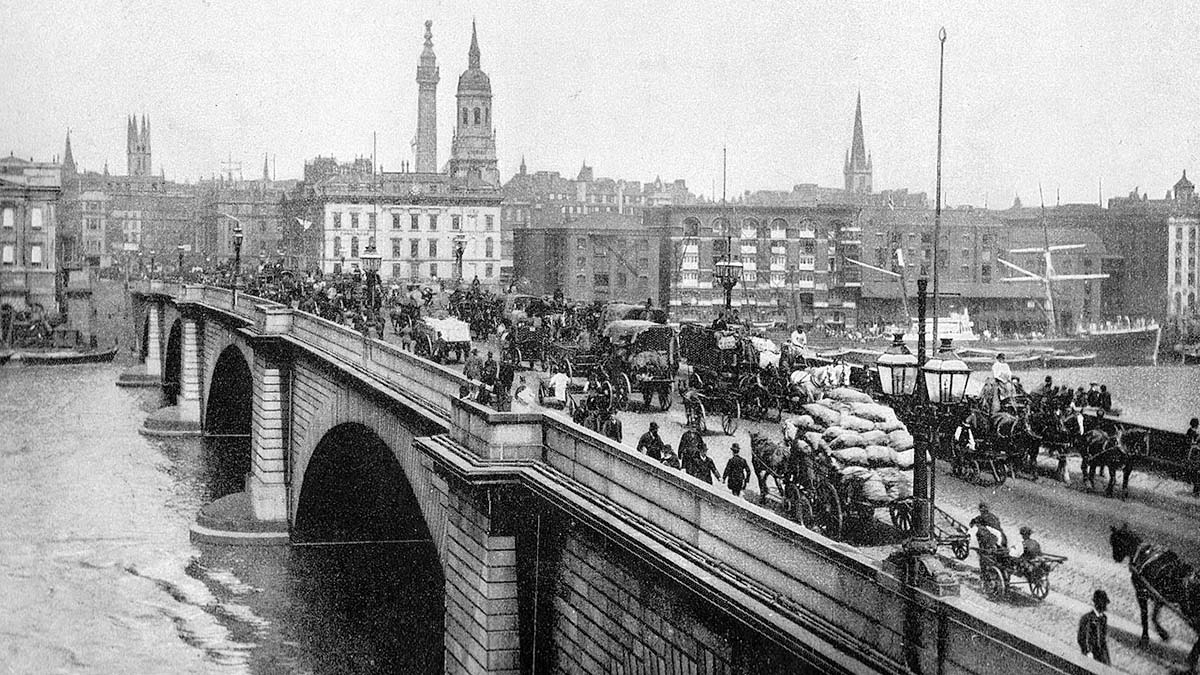
💷 In 1968, McCulloch purchased London Bridge for £1.02 million (about $2.46 million at the time).
-
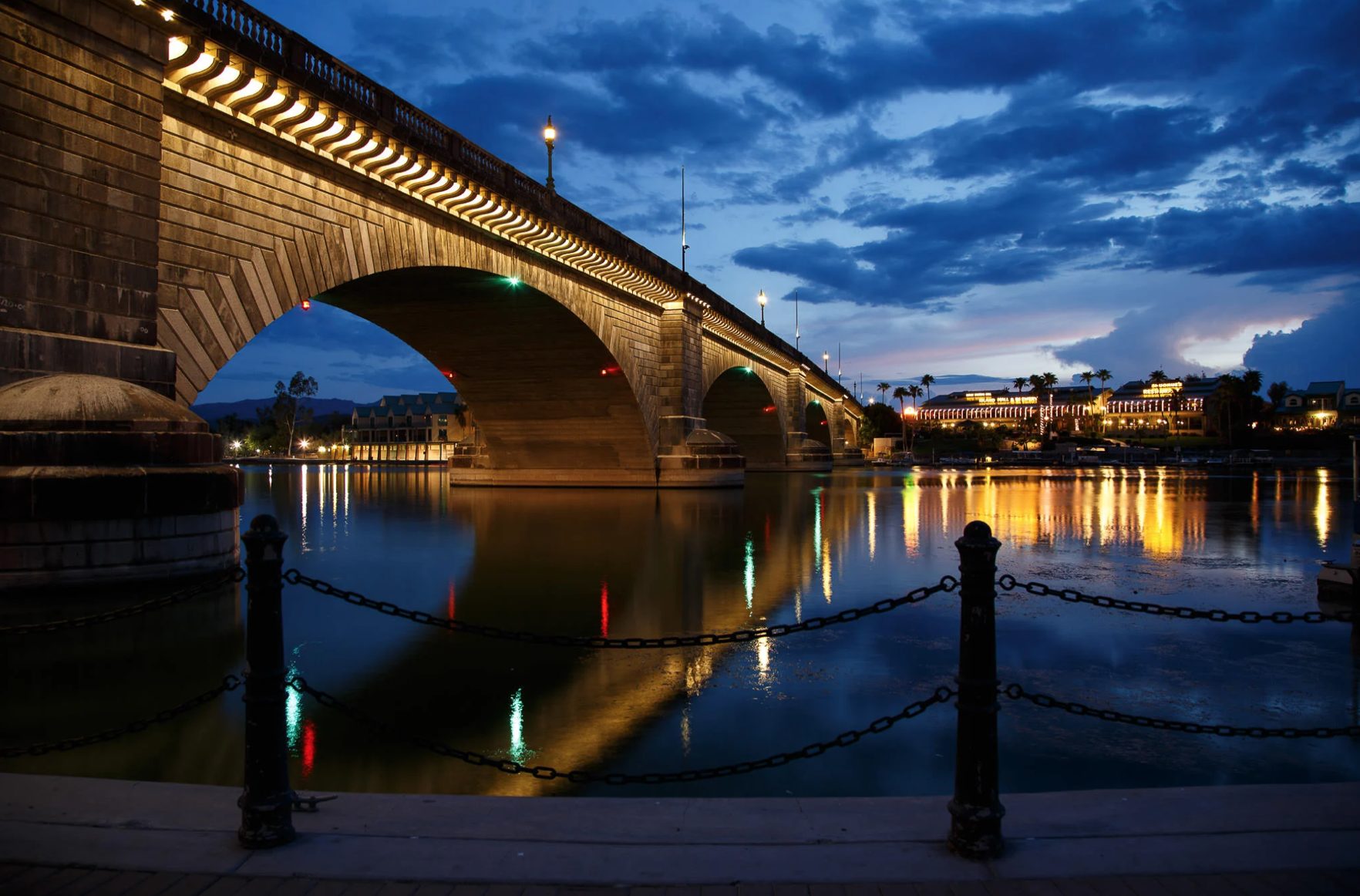
🧱 The bridge’s stones were carefully cataloged and transported, then rebuilt over what’s now the Bridgewater Channel.
-
🎉 The Lake Havasu version officially opened October 10, 1971.
✅ Quick takeaway: It wasn’t just a landmark—it was a bold, attention-grabbing move that helped put Lake Havasu City on the map.
🛩️ “Fly & Buy”: How People Discovered Havasu (1964–1978)
To sell lots and attract new residents, McCulloch’s team did something wildly creative for the time:
-
✈️ Between 1964 and 1978, about 2,702 flights brought ~137,000 prospective buyers to visit Lake Havasu City.
-
🏙️ Lake Havasu City was incorporated in 1978 (official date commonly cited as October 2, 1978).
✅ Quick takeaway: A lot of today’s “people move here for lifestyle” energy started decades ago—on purpose.
🌞 Lake Havasu City Today
Today, Lake Havasu City is firmly in its “thriving community” era:
-
👥 Population: around 56,254 (based on Census estimates/projections).
-
🧳 Tourism: the area attracts about 835,000 visitors annually (reported by local tourism sources).
-
🎈 Signature events: including the Havasu Balloon Festival & Fair (a major annual draw).
✅ Quick takeaway: What began as a bold experiment is now a real hometown—with year-round residents, neighborhoods, and a strong “outdoor life” culture.